
Your first post laid the groundwork for why molecular hydrogen ($H_2$) is a biological game-changer. It’s small, it’s selective, and it’s a signaling powerhouse. But once you understand the science, the next logical question is: How do you actually use it?
If you’re looking to move from theory to practice, you need to understand the delivery methods and the "dosage" logic that the current research suggests.
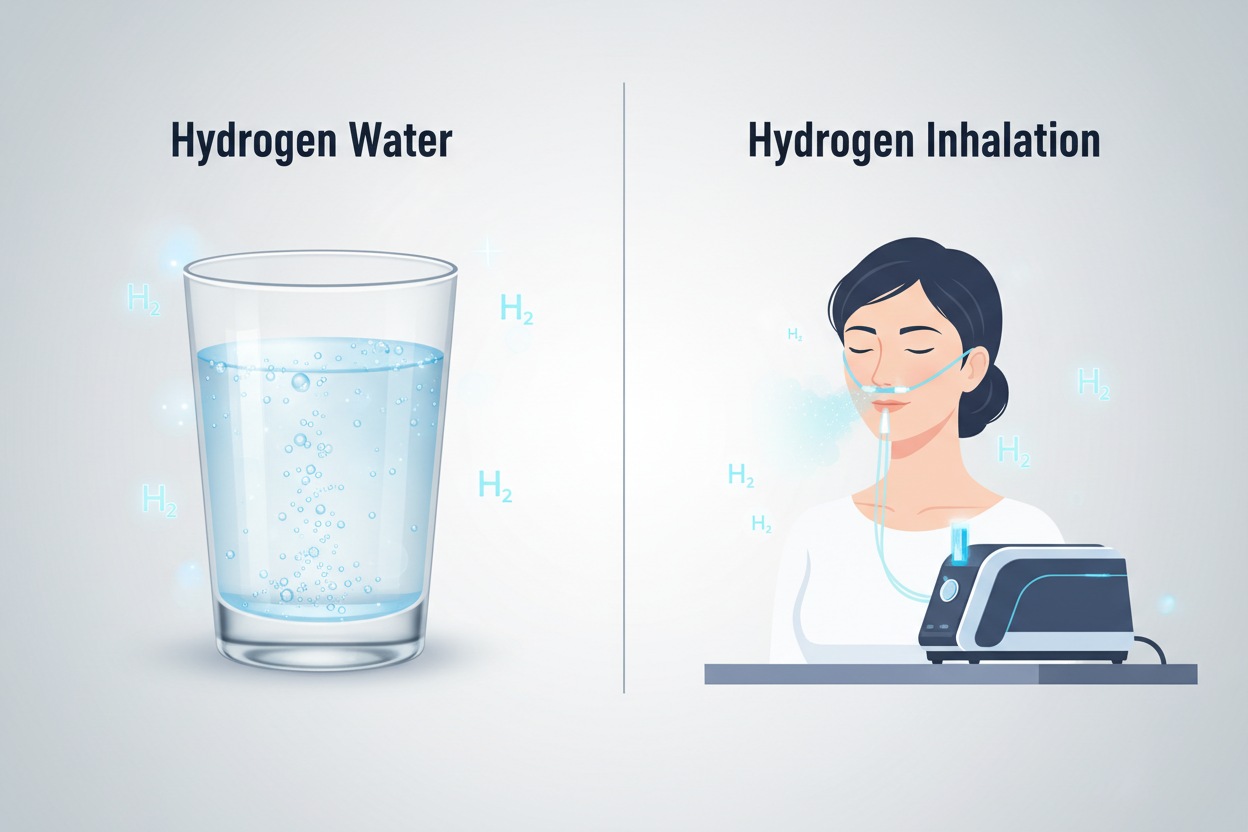
1. Delivery Methods: Water vs. Inhalation
Not all hydrogen is created equal. Depending on your goals—whether it’s athletic recovery or neurological support—the method of delivery matters.
-
Hydrogen-Rich Water (HRW): This is the most common entry point. High-quality tablets or ionizers dissolve $H_2$ gas into water.
-
Best for: Metabolic health, gut inflammation, and daily convenience.
-
-
Hydrogen Inhalation: This involves breathing 1–4% hydrogen gas through a cannula.
-
Best for: Acute recovery, brain health, and systemic loading. Inhalation allows for higher concentrations in the bloodstream over a longer duration compared to drinking a glass of water.
-
2. The Power of Concentration (PPM)
In the world of hydrogen, parts per million (ppm) is the metric that matters.
Most clinical studies showing significant results use concentrations between 1.6 ppm and 5.0 ppm. Many "budget" hydrogen bottles on the market barely reach 0.5 ppm, which may not provide a high enough therapeutic dose to trigger the Nrf2 pathways mentioned in our last discussion.
Pro Tip: If you are using tablets, wait until the water is milky-white and cloudy—that’s the molecular hydrogen gas suspended in the liquid. Drink it immediately before the gas escapes into the air.
3. Timing Your Intake for Maximum Impact
Because hydrogen acts as a signal modulator, when you take it can be just as important as how much you take.
| Goal | Optimal Timing | Why? |
| Athletic Performance | 30 mins Pre-Workout | Reduces lactate buildup and oxidative fatigue during exertion. |
| Recovery | Post-Workout | Targets the hydroxyl radicals produced during intense physical stress. |
| Cognitive Focus | Morning (Fasted) | Crosses the blood-brain barrier to mitigate "brain fog" and morning oxidative stress. |
| Metabolic Support | With/After Meals | May help manage the postprandial (after-meal) inflammatory response. |
4. Why We Don't See "Instant" Results
We live in a world of instant gratification, but hydrogen is a subtle optimizer.
Unlike caffeine, which you "feel" within 20 minutes, hydrogen works on a cellular level. You aren't necessarily looking for a "buzz"; you are looking for the absence of negative markers. Users typically report:
-
Less muscle soreness the day after a heavy lift.
-
More stable energy levels throughout the afternoon.
-
Improved markers in blood work (CRP or fasted glucose) after 4–8 weeks of consistent use.
The Bottom Line
Hydrogen isn't a "magic pill," but it is a precision tool. By focusing on high concentration, proper timing, and consistent delivery, you move past the marketing fluff and start leveraging the actual chemistry of the smallest molecule in the universe.
The science is settled on the potential—the results are now down to your protocol.